 Skip to content

Cleaner Water for Your Whole Home
Water filtration systems sized right for your home and water source. Well water or city water. We test, recommend, and install.












Not Sure What's in Your Water?
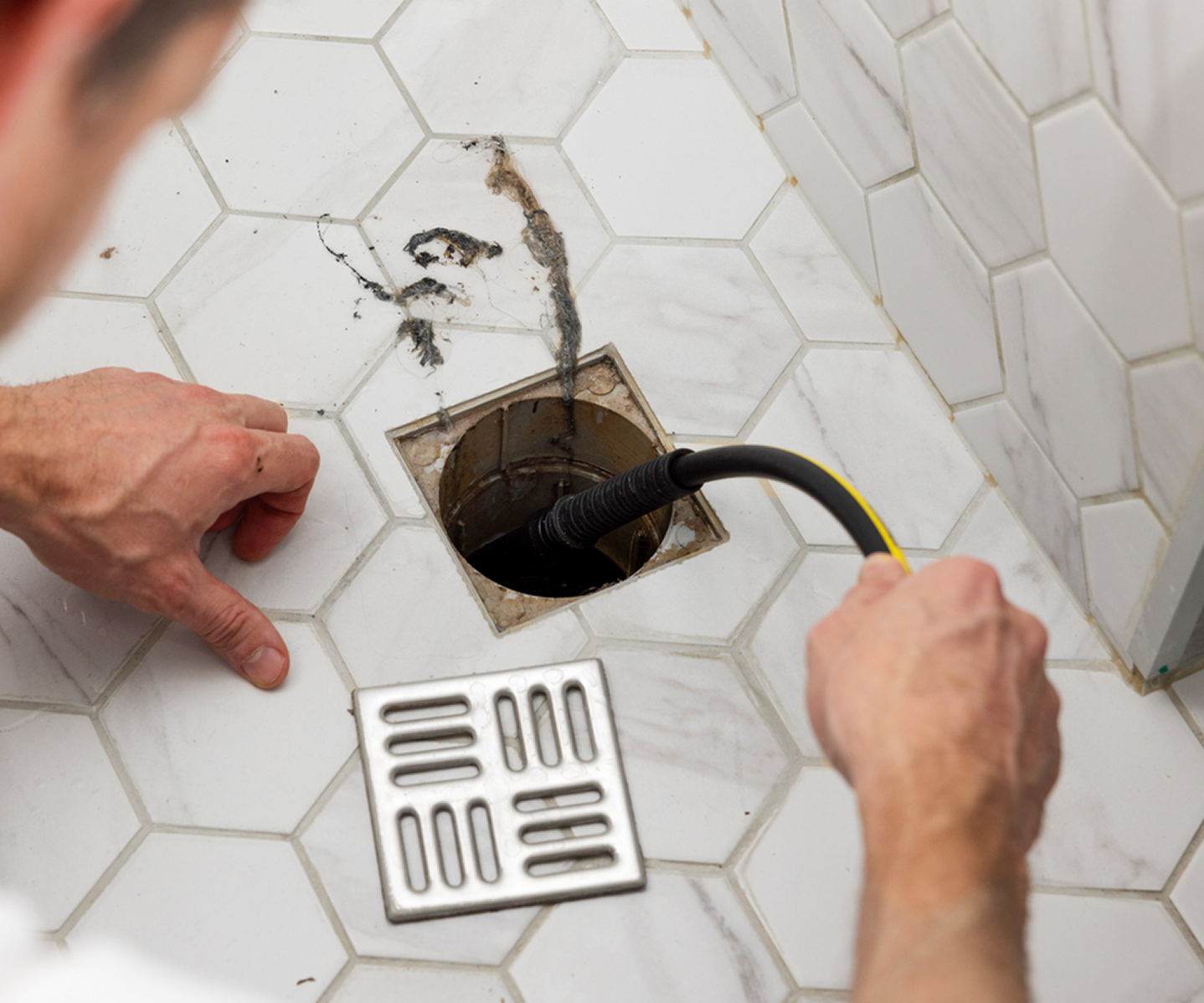
Whether you’re on well water or city water, what comes out of your tap may not be as clean as you think. Hard water minerals, chlorine, sediment, iron, and other contaminants affect taste, smell, and how your plumbing performs over time.
According to the EPA, about 15% of Americans rely on private wells, which are not regulated by federal water quality standards. In the Triad, many homes outside city limits use well water. Even city water treated to EPA standards can pick up contaminants between the treatment plant and your faucet.
We test your water, explain what we find, and recommend filtration that fits your situation. No one-size-fits-all solutions. We size systems based on your home’s water usage, your water source, and what contaminants you’re dealing with.
Signs Your Home Needs a Water Filtration System
Visible Sediment or Cloudiness
If you see particles floating in your water or it looks cloudy after running the tap, you likely have sediment in your supply. Common with well water, but can happen with city water too if pipes are old.
- Urgency: Not an emergency, but sediment wears out fixtures and appliances faster.
- What to do: If the smell is strong, leave the house immediately. Don't flip light switches or use electronics. Call 911 or your gas company from outside. Once cleared, call us to repair the leak.
Rotten Egg Smell (Sulfur)
Hydrogen sulfide gas creates that distinctive rotten egg odor. Common in well water. While typically not harmful at low levels, it makes water unpleasant to drink and can corrode pipes over time.
- Urgency: Schedule a water test. Specific filtration media removes sulfur effectively.
Orange or Brown Staining
Iron in your water leaves rust-colored stains on fixtures, toilets, sinks, and laundry. Very common in Triad well water. Iron filters or water softeners can address this depending on the iron type and concentration.
- Urgency: Not urgent, but staining gets worse over time and is harder to clean.
Chlorine Taste or Smell
City water is treated with chlorine to kill bacteria. Safe, but many people dislike the taste and smell. Whole-home carbon filtration removes chlorine and improves taste at every tap.
- Urgency: Quality of life issue. Address when convenient.
Dry Skin and Hair
Hard water and chlorine strip natural oils from skin and hair. If you’ve noticed dryness, itching, or dull hair, your water quality may be the cause. Water softeners and filtration can help.
- Urgency: Quality of life. Consider testing if symptoms persist.
Scale Buildup on Fixtures
White crusty deposits around faucets and showerheads indicate hard water. Over time, scale builds inside water heaters and pipes, reducing efficiency and lifespan. The Water Quality Association notes hard water can reduce water heater efficiency by 22-30%.
- Urgency: Address before it damages appliances. Water heaters are especially vulnerable.
Concerns About Lead or Other Contaminants
Older homes may have lead service lines or lead solder in copper pipes. If you’re unsure about your home’s plumbing history, a water test can identify lead and other contaminants. Point-of-use or whole-home filtration can provide peace of mind.
- Urgency: If you have young children or are pregnant, test sooner rather than later.
Types of Water Filtration Systems We Install
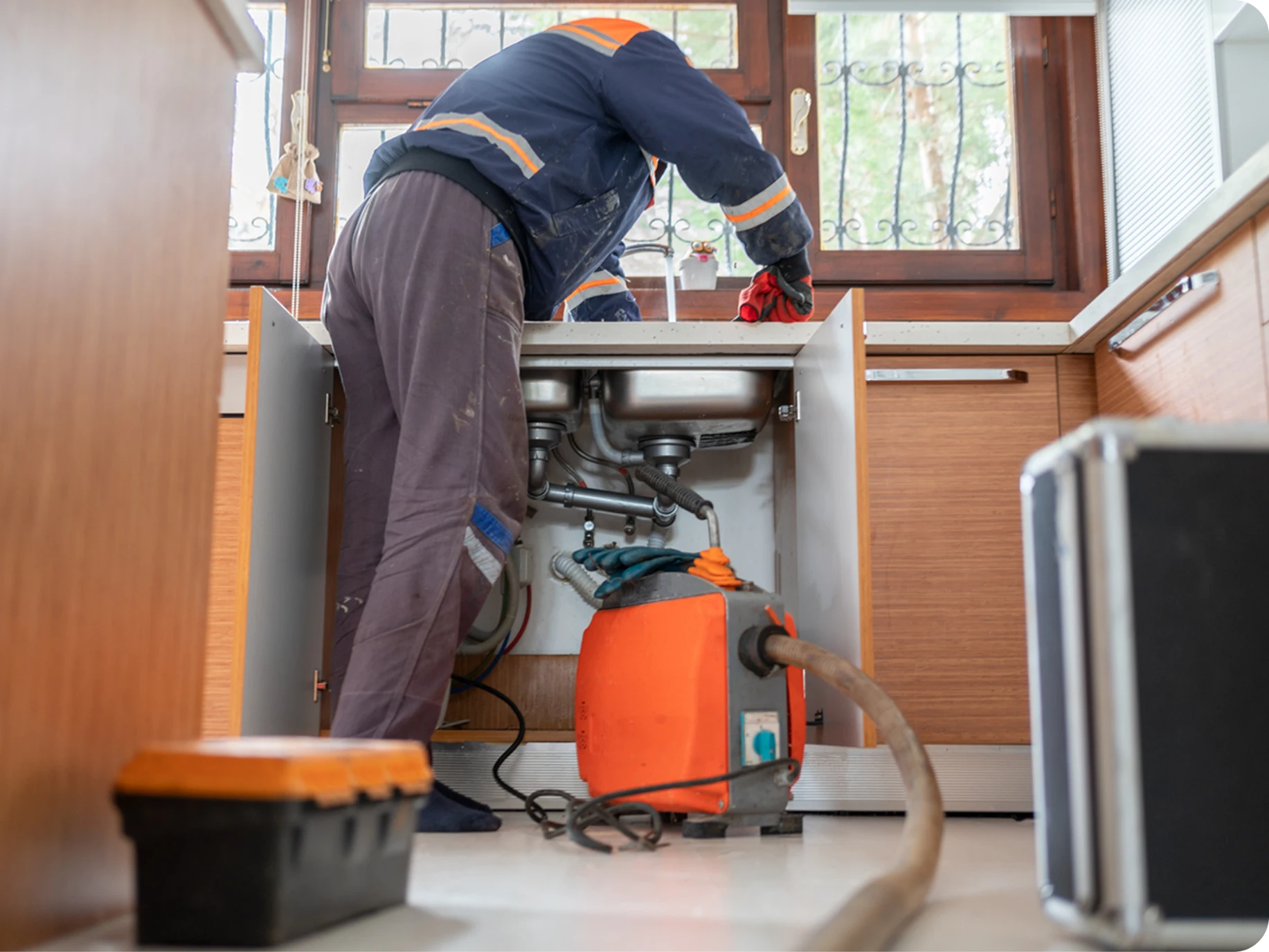
Whole Home (Point-of-Entry) Filtration
Installed where water enters your home. Filters all water going to every tap, shower, and appliance. Best for addressing widespread issues like sediment, chlorine, or iron. Systems range from basic sediment filters to multi-stage filtration addressing multiple contaminants.
Best for: Whole-home water quality improvement. Protecting all fixtures and appliances.
Under-Sink (Point-of-Use) Filtration
Installed under your kitchen sink for drinking and cooking water only. More affordable than whole-home systems. Reverse osmosis (RO) systems can remove 95-99% of dissolved solids including lead, arsenic, and other contaminants.
Best for: Targeted drinking water improvement. Renters or budget-conscious homeowners.
Sediment Filters
Remove particles like sand, silt, rust, and debris. Usually the first stage in any filtration system. Essential for well water. Available in various micron ratings. A 5-micron filter catches particles as small as 1/500th of an inch.
Best for: Well water with visible particles. Protecting downstream equipment.
Carbon Filtration
Activated carbon absorbs chlorine, chloramines, volatile organic compounds (VOCs), and improves taste and odor. Available as whole-home or point-of-use systems. Carbon filters need periodic replacement based on water usage.
Best for: City water chlorine removal. Taste and odor improvement.
Iron and Sulfur Filters
Specialized media filters designed for well water problems. Oxidizing filters convert dissolved iron to particles that can be filtered out. Certain media also addresses hydrogen sulfide (sulfur smell). System selection depends on iron type and concentration.
Best for: Well water with iron staining or sulfur odor.
Benefits of a Whole Home Water Filtration System
- Better Tasting Water
Remove chlorine, sulfur, and other compounds that affect taste and smell. Many homeowners find they drink more water and stop buying bottled water after installing filtration.
- Protect Your Plumbing
Sediment and scale damage pipes, fixtures, and appliances over time. Filtration removes particles before they cause wear. Your water heater, dishwasher, and washing machine will last longer.
- Softer Skin and Hair
Removing chlorine and hard water minerals reduces dryness and irritation. Many customers notice the difference in their first shower after installation.
- Cleaner Laundry
Hard water and iron stain clothes and make detergents less effective. Filtered water helps clothes last longer and look brighter. You may use less detergent too.
- Eliminate Bottled Water
A whole-home or under-sink filtration system provides clean drinking water on demand. No more buying, storing, or recycling plastic bottles. Better for your wallet and the environment.
- Peace of Mind
Know what’s in your water and know it’s being addressed. Especially important for families with young children, elderly members, or anyone with health concerns.
What Water Filtration Installation Includes
Every water filtration installation includes:
- Water Testing:
- Basic on-site water testing (hardness, pH, iron, chlorine)
- Lab testing recommendations if needed for specific contaminants
- Results explained in plain English
- System Selection:
- Right-sized for your home’s water usage
- Matched to your specific water quality issues
- Equipment from trusted manufacturers
- Professional Installation:
- Proper placement and mounting
- All plumbing connections
- System startup and testing
- Bypass valve installation (where applicable)
- Homeowner Education:
- How your system works
- Filter replacement schedule
- Maintenance requirements
- Written documentation
- Warranties:
- Manufacturer warranty on equipment
- Written labor warranty on installation
how can we help?

Related Services

Emergency Plumbing
24/7 emergency plumber service for leaks, backups, and sudden plumbing failures.
Water Heaters
Installation, repair, and maintenance for tank and tankless water heaters.
Repiping
Water lines, sewer lines, gas pipes, underground pipe repair
Leak Detection & Repair
Find and fix water leaks, slab leaks, pipe leaks
Drains & Sewer
Drain cleaning, sewer inspections, and water or sewer main repairs done efficiently.
Commercial
Business & industrial plumbing, backflow testing, excavation through High Point and the Triad.

Remodels
Plumbing upgrades and renovations for kitchens, bathrooms, and whole-home remodels.
Emergency Plumbing
24/7 emergency plumber service for leaks, backups, and sudden plumbing failures.
Water Heaters
Installation, repair, and maintenance for tank and tankless water heaters.
Repiping
Water lines, sewer lines, gas pipes, underground pipe repair
Leak Detection & Repair
Find and fix water leaks, slab leaks, pipe leaks
Drains & Sewer
Drain cleaning, sewer inspections, and water or sewer main repairs done efficiently.
Commercial
Business & industrial plumbing, backflow testing, excavation through High Point and the Triad.
Remodels
Plumbing upgrades and renovations for kitchens, bathrooms, and whole-home remodels.

Your Plumbing Problem, Solved in 3 Simple Steps!

Call and speak with a real person
No automated systems or call centers. When you call All-Star Plumbing, a real person answers 24/7, listens to the issue, and schedules help right away so you’re never waiting.

Get Clear Pricing Before Starting
Before any work begins, we explain the problem, walk you through your options, and give clear upfront pricing. You know the cost before we start, no surprises and no pressure.

We Fix the Problem
Our licensed plumbers arrive prepared to fix the issue correctly the first time. If we can’t fix it, you don’t pay. Simple, honest, and backed by our guarantee.

Call and speak with a real person
No automated systems or call centers. When you call All-Star Plumbing, a real person answers 24/7, listens to the issue, and schedules help right away so you’re never waiting.
Get Clear Pricing Before Starting
Before any work begins, we explain the problem, walk you through your options, and give clear upfront pricing. You know the cost before we start, no surprises and no pressure.
We Fix the Problem
Our licensed plumbers arrive prepared to fix the issue correctly the first time. If we can’t fix it, you don’t pay. Simple, honest, and backed by our guarantee.
Helpful Plumbing Tips From Local Experts
Our blog shares clear advice homeowners can use right away.


Locations and Areas Served
Plumber Service Company Serving the Entire Triad
Water Filtration System Questions
How much does a water filtration system cost?
Costs vary based on system type and your water quality needs. Basic sediment filters start around $300-500 installed. Whole-home multi-stage systems range from $1,500-4,000+. Under-sink reverse osmosis systems typically run $400-800 installed. We provide written quotes before any work.
Do I need a water softener or a water filter?
Different problems need different solutions. Water softeners address hard water (calcium and magnesium). Water filters remove sediment, chlorine, iron, and other contaminants. Some homes need both. We test your water and recommend what actually makes sense for your situation.
How long does installation take?
Most water filtration installations take 2-4 hours. Complex multi-stage systems or difficult access may take longer. We complete most jobs same-day.
How often do filters need replacing?
Depends on the filter type and your water usage. Sediment filters typically need replacement every 3-6 months. Carbon filters last 6-12 months. We’ll tell you the maintenance schedule for your specific system and can set up reminders.
Will filtration reduce my water pressure?
A properly sized system should not noticeably affect pressure. We calculate your home’s flow rate and install equipment that keeps up with demand. If you notice pressure drops, the filter likely needs changing.
Is well water safe without filtration?
It depends on what’s in your well. The EPA recommends testing private wells annually. Some wells have naturally clean water. Others have iron, sulfur, bacteria, or other issues. Testing is the only way to know. We offer free basic testing and can recommend lab testing if needed.
Can you install filtration on any home?
Yes. We install whole-home systems where your water line enters the house. For homes with limited space, we have compact options. Under-sink systems work for any home with standard plumbing.
Do you service filtration systems you didn't install?
Yes. We can service, repair, and replace filters on most residential water filtration systems regardless of who installed them. If you need maintenance or your old system isn’t performing, call us.