 Skip to content

Is Hard Water Damaging Your Home?
Professional water hardness testing tells you exactly what’s in your water. And what to do about it.











Know What's in Your Water
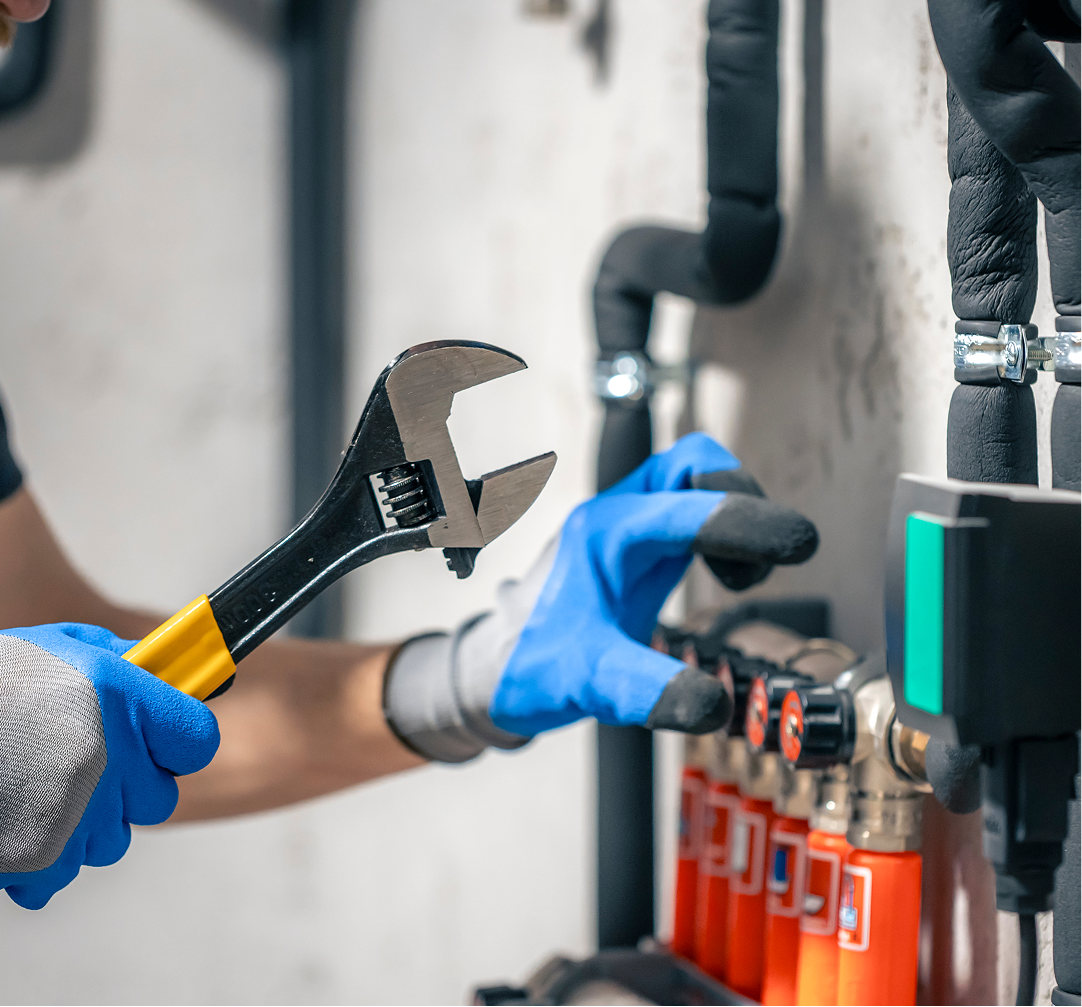
Hard water affects roughly 85% of American homes according to the U.S. Geological Survey. If you’re noticing white scale buildup on faucets, spots on dishes, dry skin after showers, or your water heater working harder than it should, hard water is likely the cause.
A water hardness test measures the concentration of dissolved minerals in your water, primarily calcium and magnesium. These minerals aren’t harmful to drink, but they cause real problems for your plumbing, appliances, and fixtures over time. Scale buildup reduces water heater efficiency by up to 25% and can shorten appliance lifespan significantly.
We test water hardness as part of our water quality services throughout the Triad. If your test shows hard water, we can recommend the right solution for your home and budget.
Signs You Have Hard Water
Not sure if hard water is affecting your home? Here are the common indicators:
White Scale Buildup on Fixtures
- What it looks like: Chalky white or gray deposits around faucet aerators, showerheads, and drain openings.
- Why it matters: This same scale is building up inside your pipes, water heater, and appliances where you can't see it.
Spots on Dishes and Glassware
- What it looks like: Cloudy film or water spots that remain after dishes dry, even with rinse aid.
- Why it matters: Indicates high mineral content. Your dishwasher is working harder and using more detergent than necessary.
Dry Skin and Dull Hair
- What it feels like: Skin feels tight or itchy after bathing. Hair is difficult to lather and rinse, appears dull or flat.
- Why it matters: Mineral deposits interfere with soap and shampoo effectiveness. You end up using more product and getting worse results.
Soap Doesn't Lather Well
- What it looks like: Soap and shampoo don't produce rich lather. Laundry detergent leaves residue on clothes.
- Why it matters: Hard water minerals react with soap, forming "soap scite" that reduces cleaning power by 30-50%.
Reduced Water Heater Efficiency
- What it looks like: Higher energy bills, longer wait for hot water, popping or rumbling sounds from the tank.
- Why it matters: Scale buildup acts as insulation between the heating element and water. The Department of Energy estimates hard water can reduce water heater efficiency by up to 25%.
Faded Laundry
- What it looks like: Colors fade quickly. Whites turn gray or dingy. Fabrics feel stiff rather than soft.
- Why it matters: Mineral deposits trap in fabric fibers, causing premature wear and fading.
Low Water Pressure Over Time
- What it looks like: Gradual decrease in water pressure at fixtures, especially showerheads.
- Why it matters: Scale accumulation inside pipes restricts flow. In severe cases, pipes can become significantly blocked.
Types of Water Hardness Testing
There are several ways to test water hardness. Here’s what you should know:
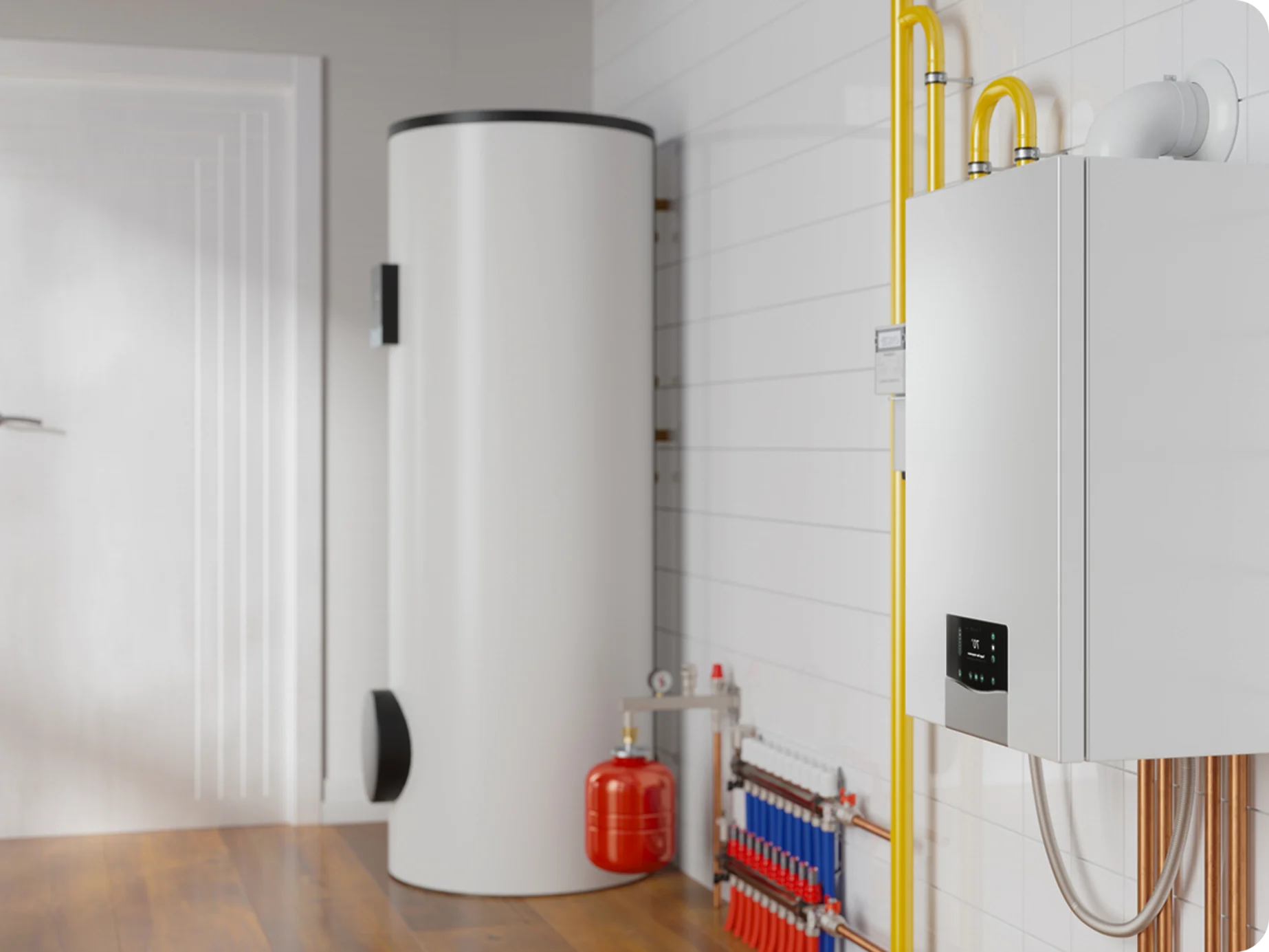
Professional In-Home Testing
What it is: A plumber tests your water on-site using professional-grade equipment.
Accuracy: High. Results account for your specific water source and plumbing conditions.
Best for: Homeowners who want reliable results and expert recommendations in one visit.
DIY Test Strips
What it is: Paper strips that change color based on mineral content. Available at hardware stores.
Accuracy: Low to moderate. Provides a general range but not precise measurements.
Best for: Quick screening to determine if further testing is needed.
Digital Hard Water Testers
What it is: Electronic meters that measure total dissolved solids (TDS) in water.
Accuracy: Moderate. Measures TDS but doesn’t distinguish between different minerals.
Best for: Ongoing monitoring if you already know you have hard water.
Lab Testing
What it is: Water sample sent to a certified laboratory for comprehensive analysis.
Accuracy: Highest. Provides detailed breakdown of all minerals and contaminants.
Best for: Situations where you need precise data for treatment system sizing or water quality concerns beyond hardness.
What Your Test Results Mean
Water hardness is measured in grains per gallon (gpg) or milligrams per liter (mg/L). Here’s how to interpret results:
- Soft Water (0-1 gpg)
What it means: Minimal mineral content. No treatment typically needed.
In the Triad: Uncommon. Most municipal and well water sources in our area test higher.
- Slightly Hard (1-3.5 gpg)
What it means: Some mineral content but usually not problematic.
Recommendation: Monitor for scale buildup. Treatment optional based on preference.
- Moderately Hard (3.5-7 gpg)
What it means: Noticeable effects on fixtures and appliances over time.
Recommendation: Water softener recommended, especially for homes with tankless water heaters.
- Hard (7-10.5 gpg)
What it means: Significant scale buildup likely. Appliance lifespan and efficiency affected.
Recommendation: Water softener strongly recommended.
- Very Hard (10.5+ gpg)
What it means: Aggressive mineral content. Rapid scale buildup, appliance damage, plumbing issues.
Recommendation: Water softener essential. Consider whole-home treatment system.
The Water Quality Association considers water over 7 gpg to be “hard” and recommends treatment to protect plumbing systems and appliances.
Why Test Your Water Professionally
- Accurate Baseline
DIY tests give ranges. Professional testing gives you an exact number. That matters when sizing treatment equipment.
- Multiple Sample Points
We test at different locations in your home. If you have both municipal water and a well, we test both.
- Expert Interpretation
Numbers alone don’t tell the whole story. We explain what your results mean for your specific home, plumbing age, and appliances.
- Right-Sized Solutions
If treatment is needed, accurate testing ensures you get equipment that matches your actual water conditions. Not undersized. Not oversold.
- Documentation
You receive a written report of your test results. Useful for warranty claims, home sales, or future reference.
how can we help?
Related Services
Emergency Plumbing
24/7 emergency plumber service for leaks, backups, and sudden plumbing failures.
Water Heaters
Installation, repair, and maintenance for tank and tankless water heaters.
Repiping
Water lines, sewer lines, gas pipes, underground pipe repair
Leak Detection & Repair
Find and fix water leaks, slab leaks, pipe leaks
Drains & Sewer
Drain cleaning, sewer inspections, and water or sewer main repairs done efficiently.
Commercial
Business & industrial plumbing, backflow testing, excavation through High Point and the Triad.
Remodels
Plumbing upgrades and renovations for kitchens, bathrooms, and whole-home remodels.
Emergency Plumbing
24/7 emergency plumber service for leaks, backups, and sudden plumbing failures.
Water Heaters
Installation, repair, and maintenance for tank and tankless water heaters.
Repiping
Water lines, sewer lines, gas pipes, underground pipe repair
Leak Detection & Repair
Find and fix water leaks, slab leaks, pipe leaks
Drains & Sewer
Drain cleaning, sewer inspections, and water or sewer main repairs done efficiently.
Commercial
Business & industrial plumbing, backflow testing, excavation through High Point and the Triad.
Remodels
Plumbing upgrades and renovations for kitchens, bathrooms, and whole-home remodels.

Your Plumbing Problem, Solved in 3 Simple Steps!

Call and speak with a real person
No automated systems or call centers. When you call All-Star Plumbing, a real person answers 24/7, listens to the issue, and schedules help right away so you’re never waiting.

Get Clear Pricing Before Starting
Before any work begins, we explain the problem, walk you through your options, and give clear upfront pricing. You know the cost before we start, no surprises and no pressure.

We Fix the Problem
Our licensed plumbers arrive prepared to fix the issue correctly the first time. If we can’t fix it, you don’t pay. Simple, honest, and backed by our guarantee.

Call and speak with a real person
No automated systems or call centers. When you call All-Star Plumbing, a real person answers 24/7, listens to the issue, and schedules help right away so you’re never waiting.
Get Clear Pricing Before Starting
Before any work begins, we explain the problem, walk you through your options, and give clear upfront pricing. You know the cost before we start, no surprises and no pressure.
We Fix the Problem
Our licensed plumbers arrive prepared to fix the issue correctly the first time. If we can’t fix it, you don’t pay. Simple, honest, and backed by our guarantee.
Helpful Plumbing Tips From Local Experts
Our blog shares clear advice homeowners can use right away.


Locations and Areas Served
Plumber Service Company Serving the Entire Triad
Water Hardness Test Questions
How much does a water hardness test cost?
Testing is typically included as part of a water quality assessment or water softener consultation. Call for current pricing. We provide upfront quotes before any work.
Can I test water hardness myself?
Yes. DIY test strips are available at Home Depot, Lowe’s, and hardware stores for around $10-15. They give you a general range but lack the precision of professional testing. Digital hard water testers cost $15-50 and measure total dissolved solids. For accurate results that inform treatment decisions, professional testing is recommended.
How hard is the water in the Triad?
Water hardness varies by source. Municipal supplies in High Point, Greensboro, and Winston-Salem typically test in the moderately hard range (3-7 gpg). Well water in the region often tests harder, sometimes exceeding 10 gpg. The only way to know your specific level is to test.
Is hard water safe to drink?
Yes. Hard water is not a health hazard. The calcium and magnesium in hard water are actually essential minerals. The concern with hard water is damage to plumbing, appliances, and fixtures, not health effects.
What's the difference between hard water and soft water?
Hard water contains high concentrations of dissolved calcium and magnesium. Soft water has low mineral content. The difference affects how soap lathers, how scale builds up, and how long appliances last. Softened water also means less soap and detergent needed for cleaning.
How often should I test my water?
Test when you move into a new home, notice changes in water quality, or install new appliances. If you have a water softener, annual testing confirms it’s working properly. Well water should be tested more frequently since conditions can change.
What if my test shows hard water?
We’ll discuss treatment options. A water softener is the most common solution for hard water. We install and service softeners and can recommend the right system for your home size and water usage.